สูตรคณิตบนกระดานดำ กลายร่างเป็นหลุมดำพิศวง
ที่มา: @Gdgtifyโมเดล: Nano Banana Pro
ภาพตัวอย่าง
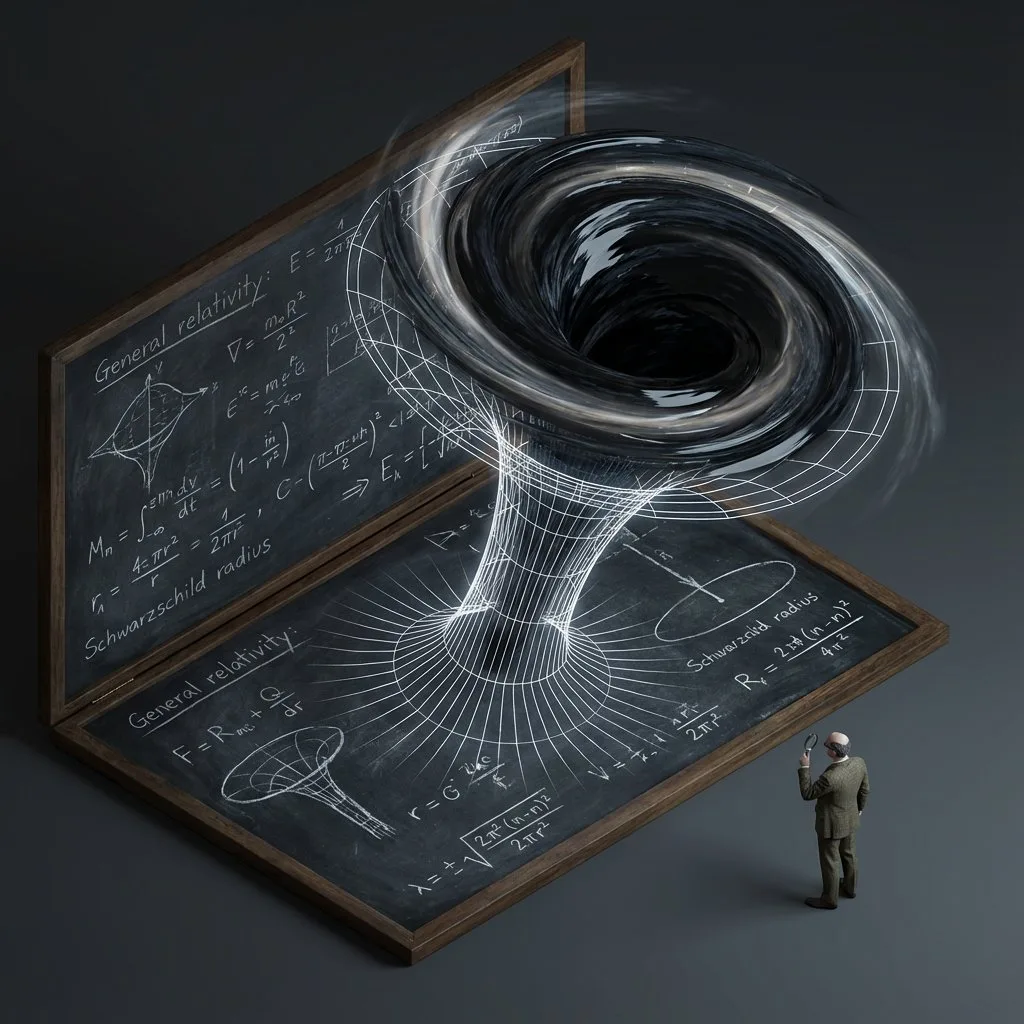
พรอมต์ภาษาไทย
ทำสิ่งนี้สำหรับหลุมดำ ตัวแปรอินพุต: [ทฤษฎี / สูตร] ระยะที่ 1: การแยกส่วนแบบแผน วิเคราะห์สัญกรณ์: ระบุภาษาภาพหลักของนักวิทยาศาสตร์ (ชอล์กบนกระดานดำ? หมึกบนแผ่นหนัง? ดินสอบนกระดาษกราฟ?). ระบุ "โครงสร้าง": หากทฤษฎีนี้เป็นอาคาร จะมีลักษณะอย่างไร? ตรรกะ: ทฤษฎีความอลวน -> ยอดแหลมแบบ Fractal. อุณหพลศาสตร์ -> เสื้อสูบเครื่องยนต์. ระยะที่ 2: การเปลี่ยนผ่านมิติ ฐาน: พื้นผิวเรียบที่ปกคลุมด้วย [สื่อสัญกรณ์] (เช่น กระดานดำที่เต็มไปด้วยสมการชอล์ก). การก่อตัว: เส้นชอล์กยกตัวขึ้นจากพื้นผิว เริ่มต้นเป็นโครงลวดสีขาว จากนั้นมีความทึบแสง จากนั้นมีพื้นผิว. จุดสุดยอด: ที่ด้านบนของภาพ โครงลวดแข็งตัวเต็มที่เป็นโครงสร้างที่เป็นไปไม่ได้เหมือนจริง ซึ่งแสดงถึงทฤษฎี. ผู้สังเกตการณ์: รูปจำลองขนาดเล็กของนักวิทยาศาสตร์ยืนอยู่บนส่วน "2 มิติ" ที่แบนราบ มองขึ้นไปด้วยความเกรงขามที่โครงสร้าง "3 มิติ" ขนาดใหญ่ที่พวกเขาสร้างขึ้น. ผลลัพธ์: มุมมองสูงแบบไอโซเมตริก, สไตล์ "การแสดงภาพสถาปัตยกรรม", ความแตกต่างที่ชัดเจนระหว่างเส้นร่างและมวลทึบ
พรอมต์ภาษาอังกฤษ
do this for black holes Input Variable: [Theorem / Formula] Phase 1: Schematic Decomposition Analyze the Notation: Identify the primary visual language of the scientist (Chalk on blackboard? Ink on parchment? Pencil on graph paper?). Identify the "Structure": If this theory were a building, what would it look like? Logic: Chaos Theory -> Fractal Spire. Thermodynamics -> Engine Block. Phase 2: The Dimensional Transition The Base: A flat surface covered in the [Notation Medium] (e.g., a slate blackboard covered in chalk equations). The Extrusion: The chalk lines physically lift off the surface. They begin as white wireframes, then gain opacity, then gain texture. The Climax: At the top of the image, the wireframes have fully solidified into a photorealistic, impossible structure representing the theory. The Observer: A tiny, scale - model figure of the scientist stands on the flat "2D" section, looking up in awe at the massive "3D" structure they have summoned. Output: High - Angle Isometric, "Architectural Visualization" style, stark contrast between sketchy lines and solid mass.
พรอมต์ภาษาจีน
<instructions> do this for black holes Input Variable: [Theorem / Formula]</span><span> Phase 1: Schematic Decomposition (图解分解) Analyze the Notation (分析符号): 识别科学家的主要视觉语言(黑板上的粉笔字?羊皮纸上的墨迹?坐标纸上的铅笔画?)。 Identify the "Structure" (识别“结构”): 如果这个理论是一座建筑,它会是什么样子? Logic (逻辑): 混沌理论 -> 分形尖塔。热力学 -> 发动机缸体。 Phase 2: The Dimensional Transition (维度转换) The Base (基础): 一个铺满 [Notation Medium] 的平面(例如,一块覆盖着粉笔方程的石板黑板)。 The Extrusion (挤压): 粉笔线条从表面物理性地抬升。它们最初是白色的线框,然后获得不透明度,再获得纹理。 The Climax (高潮): 在图像顶部,线框已完全凝固成一个逼真的、不可能的结构,代表着该理论。 The Observer (观察者): 一个微小的、按比例缩小的科学家形象站在平坦的“2D”区域上,敬畏地仰望着他们召唤出的巨大“3D”结构。 Output: High-Angle Isometric (高角度等距), "Architectural Visualization" style (“建筑可视化”风格), stark contrast between sketchy lines and solid mass (草图线条与实体块之间形成鲜明对比)。 </instructions>
พรอมต์แนะนำ
8 พรอมต์คัดสรร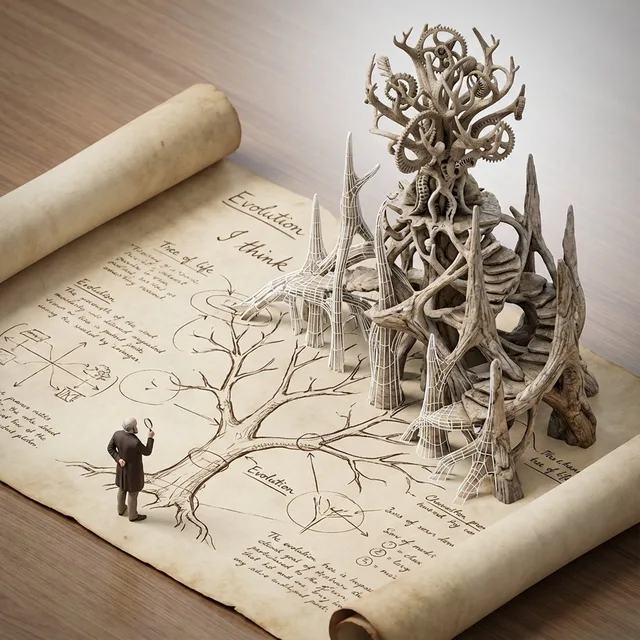
หลุมดำจากสมการวิทยาศาสตร์สู่สถาปัตยกรรม
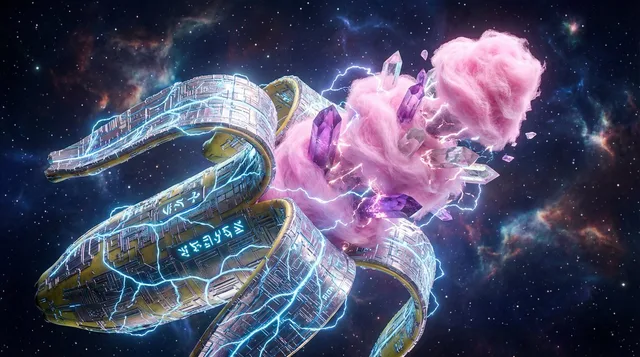
กล้วยไซเบอร์พังก์: วงจรนาโนแตกตัวในอวกาศ

ไซเบอร์พรอเฟทในเงาม่านบุปผาเยือกแข็ง
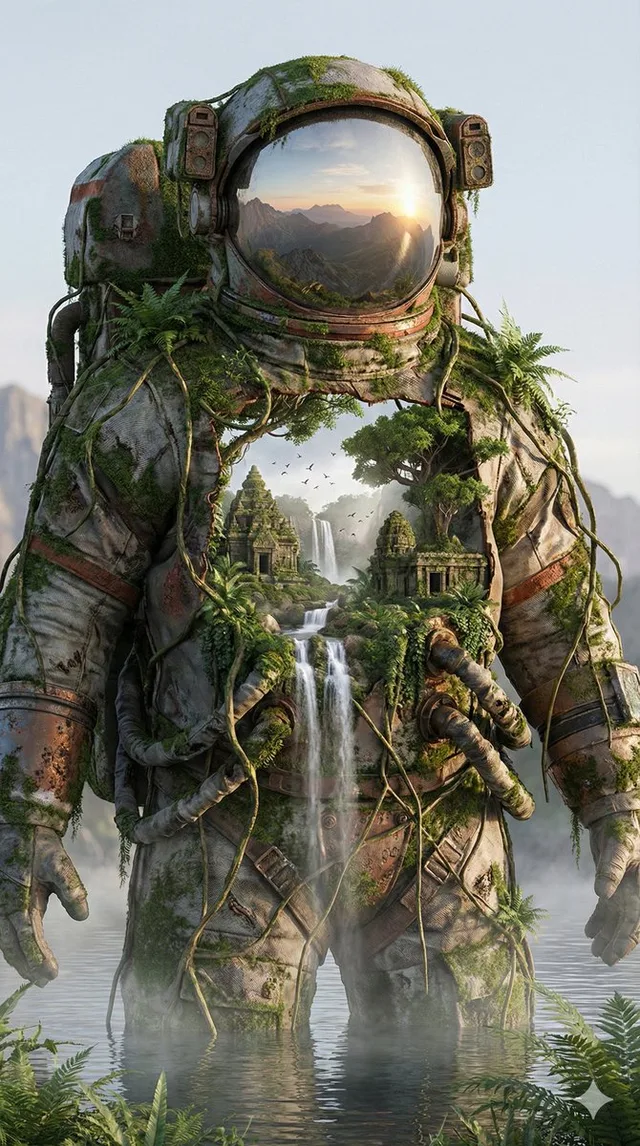
ชุดอวกาศยักษ์ ป่า น้ำตก และเทวสถานในตัว
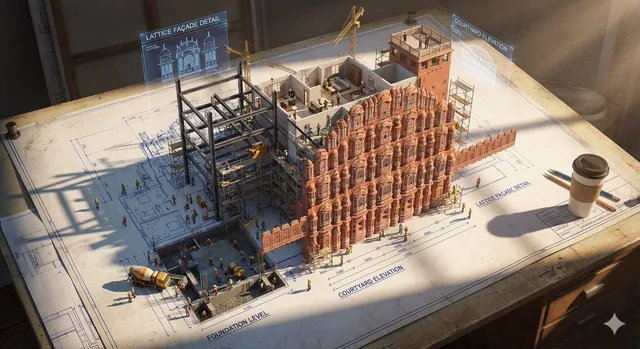
พิมพ์เขียวเสมือนจริง: พิมพ์เขียวกลายเป็นตึกระฟ้า

ลิปสติกนักประดาน้ำ: ความหรูหรามีชีวิต

สาวถ่ายเซลฟี่ในกระจกที่ร้านเสื้อผ้าสไตล์วินเทจ

สาวริมน้ำยามสนธยา: ภาพบุคคลเสมือนจริง