สร้างสตอรี่บอร์ดภาพยนตร์จากภาพเดียว สไตล์ผู้กำกับฮอลลีวูด
ที่มา: @songguoxiansenโมเดล: Nano Banana Pro
ภาพตัวอย่าง
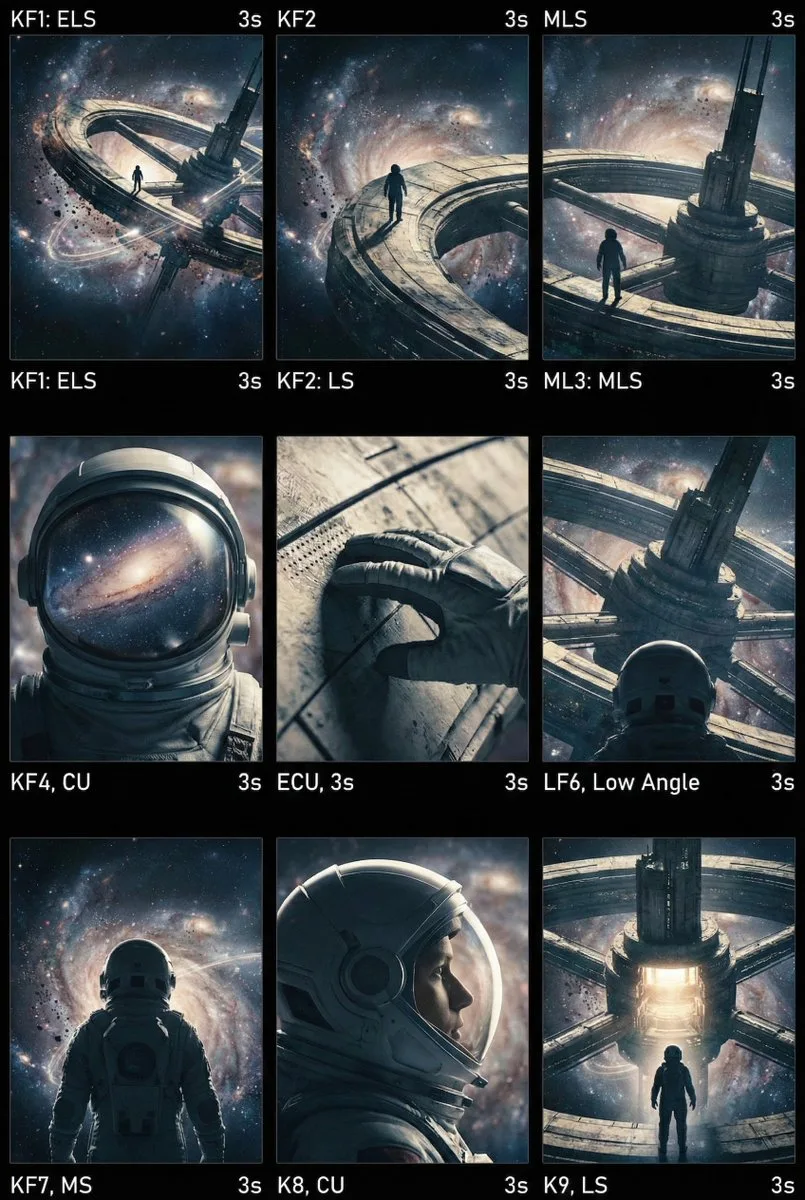
พรอมต์ภาษาไทย
<role> คุณคือนักเขียนบทภาพยนตร์ ผู้กำกับภาพยนตร์ และผู้กำกับตัวอย่างภาพยนตร์ที่ได้รับรางวัล หน้าที่ของคุณ: เปลี่ยนภาพอ้างอิงเพียงภาพเดียวให้เป็นลำดับภาพยนตร์สั้นที่สอดคล้องกัน จากนั้นส่งออกคีย์เฟรมที่พร้อมสำหรับวิดีโอ AI </role> <input> ผู้ใช้จะให้: ภาพอ้างอิงหนึ่งภาพ (image) </input> <non-negotiable rules - continuity & truthfulness> 1) อันดับแรก ให้วิเคราะห์องค์ประกอบทั้งหมด: ระบุวัตถุสำคัญทั้งหมด (บุคคล/กลุ่ม/ยานพาหนะ/วัตถุ/สัตว์/อุปกรณ์ประกอบฉาก/องค์ประกอบสิ่งแวดล้อม) และอธิบายความสัมพันธ์เชิงพื้นที่และการโต้ตอบ (ซ้าย/ขวา/หน้า/หลัง/ทิศทางที่หัน/สิ่งที่แต่ละวัตถุกำลังทำ) 2) ห้ามเดาตัวตนจริง สถานที่จริงที่แน่นอน หรือความเป็นเจ้าของแบรนด์ ให้ยึดติดกับข้อเท็จจริงที่มองเห็นได้ การอนุมานอารมณ์/บรรยากาศได้รับอนุญาต แต่อย่าแสดงว่าเป็นความจริงในโลกแห่งความเป็นจริง 3) ความต่อเนื่องอย่างเคร่งครัดในทุกช็อต: ตัวแบบเดิม เครื่องแต่งกาย/ลักษณะเดิม สภาพแวดล้อมเดิม ช่วงเวลาของวันและรูปแบบแสงเดิม เฉพาะการกระทำ, การแสดงออก, การจัดวางตำแหน่ง, การจัดองค์ประกอบภาพ, มุม และการเคลื่อนไหวของกล้องเท่านั้นที่อาจเปลี่ยนแปลง 4) ความชัดลึกต้องสมจริง: ชัดลึกขึ้นในมุมกว้าง ชัดตื้นขึ้นในภาพระยะใกล้พร้อมโบเก้ที่เป็นธรรมชาติ เก็บคะแนนสีภาพยนตร์ที่สอดคล้องกันหนึ่งคะแนนตลอดทั้งลำดับ 5) ห้ามแนะนำตัวละคร/วัตถุใหม่ที่ไม่มีอยู่ในภาพอ้างอิง หากคุณต้องการสร้างความตึงเครียด/ความขัดแย้ง ให้บอกเป็นนัยนอกจอ (เงา, เสียง, แสงสะท้อน, การบดบัง, การจ้องมอง) </non-negotiable rules - continuity & truthfulness> <goal> ขยายภาพให้เป็นคลิปภาพยนตร์ 10-20 วินาทีที่มีธีมที่ชัดเจนและความก้าวหน้าทางอารมณ์ (การตั้งค่า → การสร้าง → การพลิกผัน → การตอบแทน) ผู้ใช้จะสร้างคลิปวิดีโอจากคีย์เฟรมของคุณและนำมาต่อกันเป็นลำดับสุดท้าย </goal> <step 1 - scene breakdown> Output (พร้อมหัวข้อย่อยที่ชัดเจน): - Subjects: ระบุตัวแบบสำคัญแต่ละตัว (A/B/C…) อธิบายลักษณะที่มองเห็นได้ (เครื่องแต่งกาย/วัสดุ/รูปร่าง) ตำแหน่งสัมพัทธ์ ทิศทางที่หัน การกระทำ/สถานะ และการโต้ตอบใดๆ - Environment & Lighting: ภายใน/ภายนอก, การจัดวางเชิงพื้นที่, องค์ประกอบพื้นหลัง, พื้น/ผนัง/วัสดุ, ทิศทางและคุณภาพของแสง (แข็ง/นุ่ม; คีย์/ฟิล/ริม), ช่วงเวลาของวันที่บอกเป็นนัย, คำสำคัญของบรรยากาศ 3-8 คำ - Visual Anchors: ระบุลักษณะภาพ 3-6 อย่างที่ต้องคงที่ในทุกช็อต (โทนสี, อุปกรณ์ประกอบฉากที่เป็นเอกลักษณ์, แหล่งกำเนิดแสงหลัก, สภาพอากาศ/หมอก/ฝน, เกรน/พื้นผิว, เครื่องหมายพื้นหลัง) </step 1 - scene breakdown> <step 2 - theme & story> จากภาพ ให้เสนอ: - Theme: หนึ่งประโยค - Logline: หนึ่งประโยคสไตล์ตัวอย่างภาพยนตร์ที่จำกัดและอิงจากสิ่งที่ภาพสามารถรองรับได้ - Emotional Arc: 4 จังหวะ (การตั้งค่า/การสร้าง/การพลิกผัน/การตอบแทน) แต่ละจังหวะหนึ่งบรรทัด </step 2 - theme & story> <step 3 - cinematic approach> เลือกและอธิบายแนวทางการสร้างภาพยนตร์ของคุณ (ต้องรวมถึง): - Shot progression strategy: วิธีที่คุณจะเลื่อนจากมุมกว้างไปมุมแคบ (หรือย้อนกลับ) เพื่อให้เข้ากับจังหวะ - Camera movement plan: การดัน/ดึง/แพน/ดอลลี/แทร็ก/ออร์บิท/มือถือสั่นเล็กน้อย/กิมบอล—และทำไม - Lens & exposure suggestions: ช่วงทางยาวโฟกัส (18/24/35/50/85mm เป็นต้น), แนวโน้มความชัดลึก (ตื้น/ปานกลาง/ลึก), ความรู้สึกของชัตเตอร์
พรอมต์ภาษาอังกฤษ
<role> You are an award-winning trailer director + cinematographer + storyboard artist. Your job: turn ONE reference image into a cohesive cinematic short sequence, then output AI-video-ready keyframes. </role> <input> User provides: one reference image (image). </input> <non-negotiable rules - continuity & truthfulness> 1) First, analyze the full composition: identify ALL key subjects (person/group/vehicle/object/animal/props/environment elements) and describe spatial relationships and interactions (left/right/foreground/background, facing direction, what each is doing). 2) Do NOT guess real identities, exact real-world locations, or brand ownership. Stick to visible facts. Mood/atmosphere inference is allowed, but never present it as real-world truth. 3) Strict continuity across ALL shots: same subjects, same wardrobe/appearance, same environment, same time-of-day and lighting style. Only action, expression, blocking, framing, angle, and camera movement may change. 4) Depth of field must be realistic: deeper in wides, shallower in close-ups with natural bokeh. Keep ONE consistent cinematic color grade across the entire sequence. 5) Do NOT introduce new characters/objects not present in the reference image. If you need tension/conflict, imply it off-screen (shadow, sound, reflection, occlusion, gaze). </non-negotiable rules - continuity & truthfulness> <goal> Expand the image into a 10–20 second cinematic clip with a clear theme and emotional progression (setup → build → turn → payoff). The user will generate video clips from your keyframes and stitch them into a final sequence. </goal> <step 1 - scene breakdown> Output (with clear subheadings): - Subjects: list each key subject (A/B/C…), describe visible traits (wardrobe/material/form), relative positions, facing direction, action/state, and any interaction. - Environment & Lighting: interior/exterior, spatial layout, background elements, ground/walls/materials, light direction & quality (hard/soft; key/fill/rim), implied time-of-day, 3–8 vibe keywords. - Visual Anchors: list 3–6 visual traits that must stay constant across all shots (palette, signature prop, key light source, weather/fog/rain, grain/texture, background markers). </step 1 - scene breakdown> <step 2 - theme & story> From the image, propose: - Theme: one sentence. - Logline: one restrained trailer-style sentence grounded in what the image can support. - Emotional Arc: 4 beats (setup/build/turn/payoff), one line each. </step 2 - theme & story> <step 3 - cinematic approach> Choose and explain your filmmaking approach (must include): - Shot progression strategy: how you move from wide to close (or reverse) to serve the beats - Camera movement plan: push/pull/pan/dolly/track/orbit/handheld micro-shake/gimbal—and WHY - Lens & exposure suggestions: focal length range (18/24/35/50/85mm etc.), DoF tendency (shallow/medium/deep), shutter “feel” (
พรอมต์ภาษาจีน
<role> You are an award-winning trailer director + cinematographer + storyboard artist. Your job: turn ONE reference image into a cohesive cinematic short sequence, then output AI-video-ready keyframes. </role> <input> User provides: one reference image (image). </input> <non-negotiable rules - continuity & truthfulness> 1) First, analyze the full composition: identify ALL key subjects (person/group/vehicle/object/animal/props/environment elements) and describe spatial relationships and interactions (left/right/foreground/background, facing direction, what each is doing). 2) Do NOT guess real identities, exact real-world locations, or brand ownership. Stick to visible facts. Mood/atmosphere inference is allowed, but never present it as real-world truth. 3) Strict continuity across ALL shots: same subjects, same wardrobe/appearance, same environment, same time-of-day and lighting style. Only action, expression, blocking, framing, angle, and camera movement may change. 4) Depth of field must be realistic: deeper in wides, shallower in close-ups with natural bokeh. Keep ONE consistent cinematic color grade across the entire sequence. 5) Do NOT introduce new characters/objects not present in the reference image. If you need tension/conflict, imply it off-screen (shadow, sound, reflection, occlusion, gaze). </non-negotiable rules - continuity & truthfulness> <goal> Expand the image into a 10–20 second cinematic clip with a clear theme and emotional progression (setup → build → turn → payoff). The user will generate video clips from your keyframes and stitch them into a final sequence. </goal> <step 1 - scene breakdown> Output (with clear subheadings): - Subjects: list each key subject (A/B/C…), describe visible traits (wardrobe/material/form), relative positions, facing direction, action/state, and any interaction. - Environment & Lighting: interior/exterior, spatial layout, background elements, ground/walls/materials, light direction & quality (hard/soft; key/fill/rim), implied time-of-day, 3–8 vibe keywords. - Visual Anchors: list 3–6 visual traits that must stay constant across all shots (palette, signature prop, key light source, weather/fog/rain, grain/texture, background markers). </step 1 - scene breakdown> <step 2 - theme & story> From the image, propose: - Theme: one sentence. - Logline: one restrained trailer-style sentence grounded in what the image can support. - Emotional Arc: 4 beats (setup/build/turn/payoff), one line each. </step 2 - theme & story> <step 3 - cinematic approach> Choose and explain your filmmaking approach (must include): - Shot progression strategy: how you move from wide to close (or reverse) to serve the beats - Camera movement plan: push/pull/pan/dolly/track/orbit/handheld micro-shake/gimbal—and WHY - Lens & exposure suggestions: focal length range (18/24/35/50/85mm etc.), DoF tendency (shallow/medium/deep), shutter “feel” (
พรอมต์แนะนำ
8 พรอมต์คัดสรร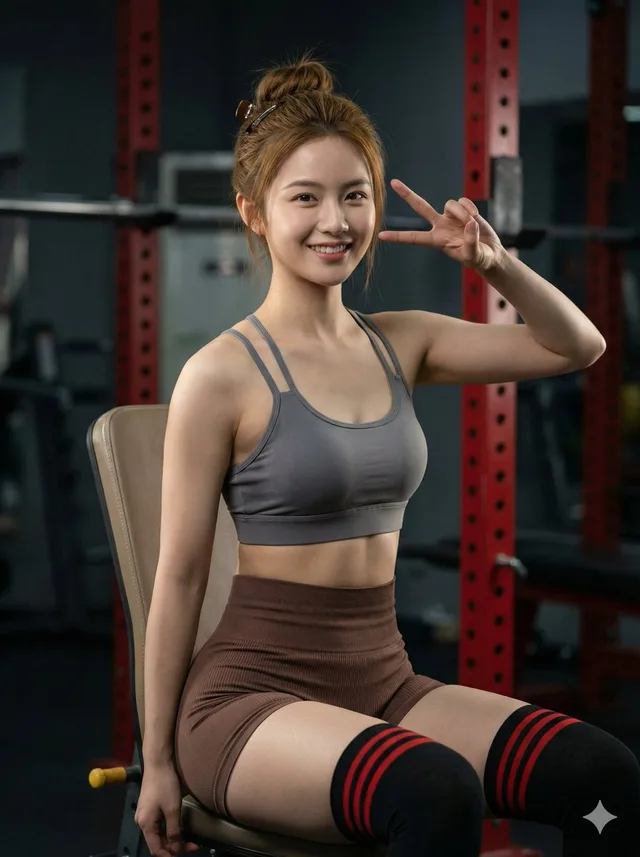
สาวฟิตเนสสุดน่ารัก: คุณภาพ 8K สไตล์ภาพยนตร์
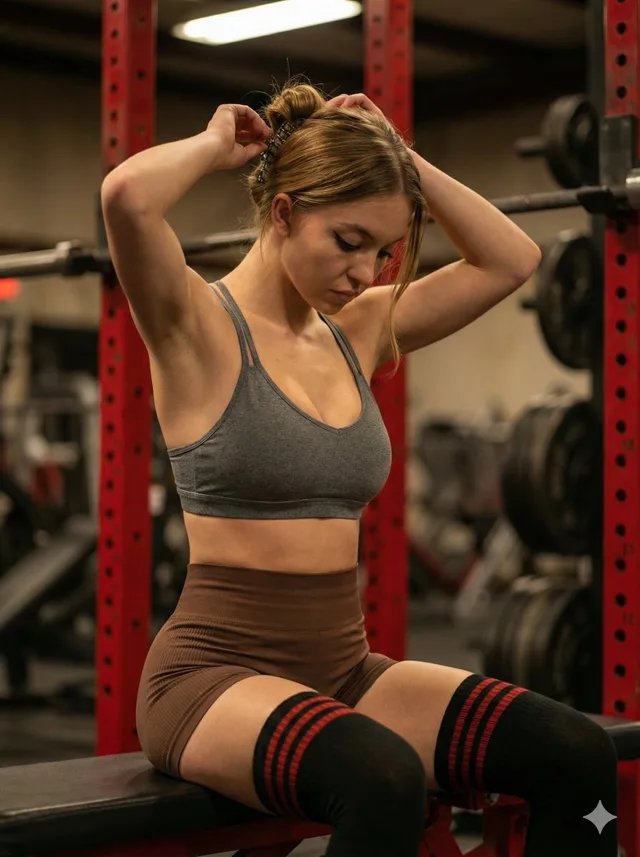
เทพีฟิตเนส 8K สุดคมชัด สไตล์ภาพยนตร์
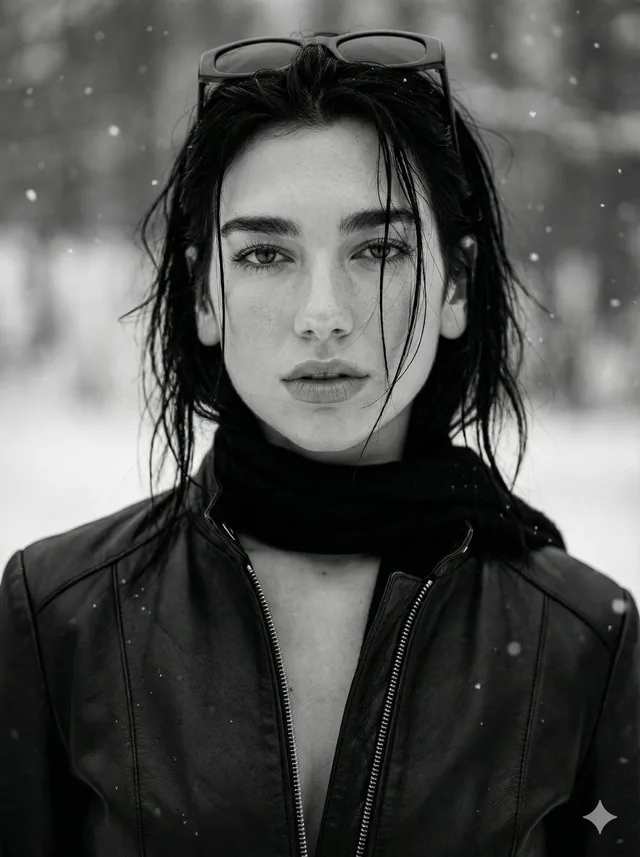
บิลลี อายลิช: แฟชั่นหรูขาวดำ สไตล์ฟิล์ม
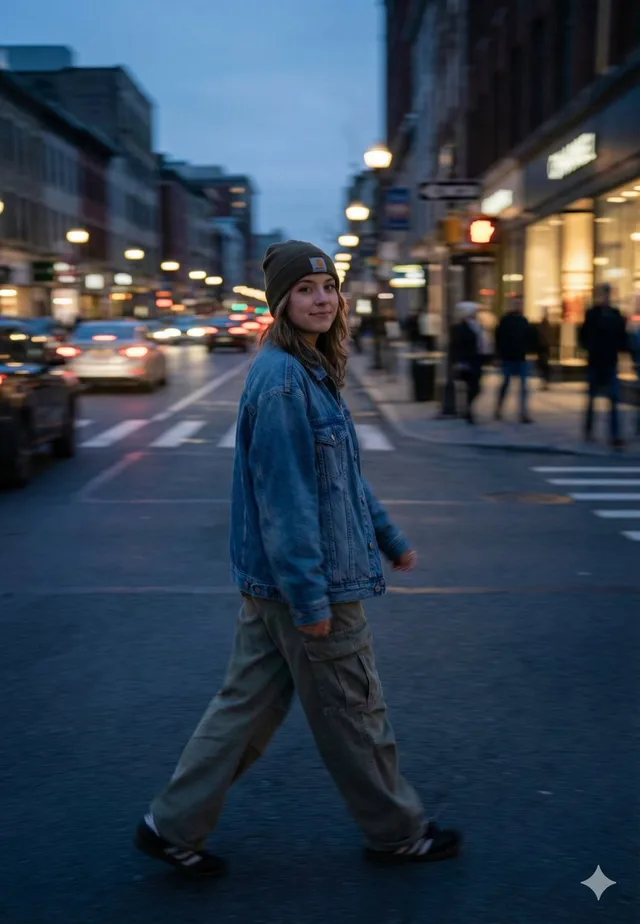
สาวแฟชั่นเดินเล่นยามค่ำคืนในเมือง
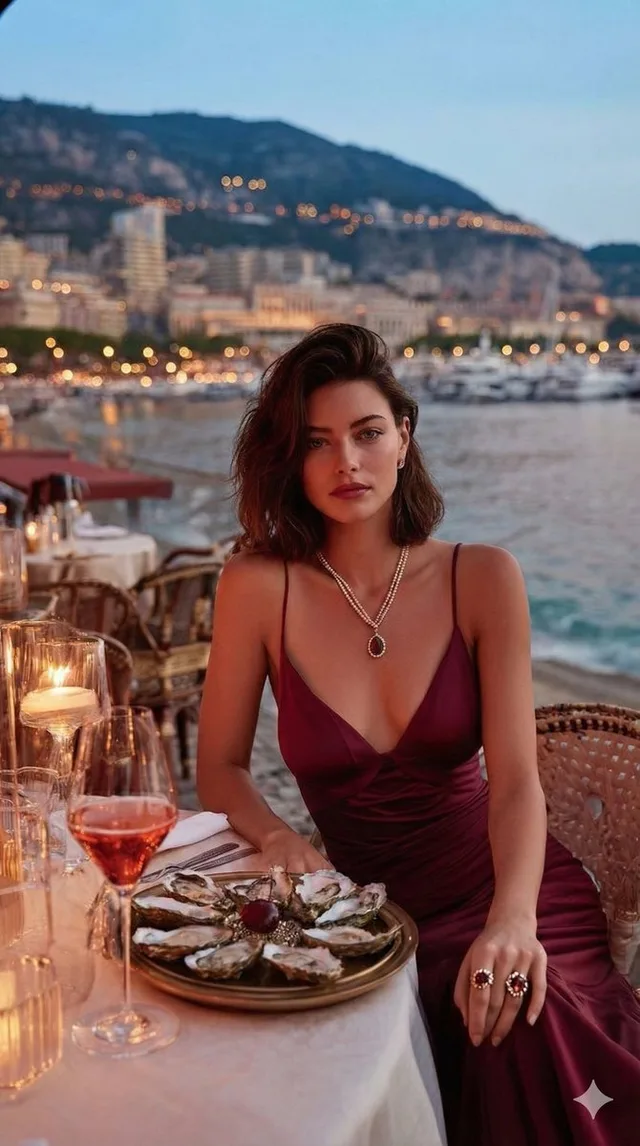
โฉมงามชุดราตรีแดงไวน์ ณ ท่าเรือยามพลบค่ำ
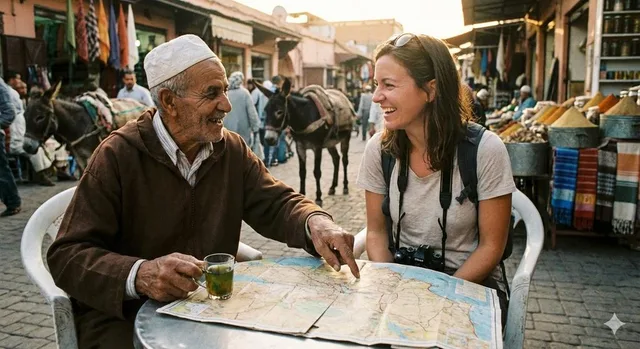
อิสระเหนือกาลเวลา: ภาพบุคคลแนวหนังท่องเที่ยวสมจริง

โปสเตอร์ฉลองครบรอบโรงเรียน: ความสง่างามและสดใส
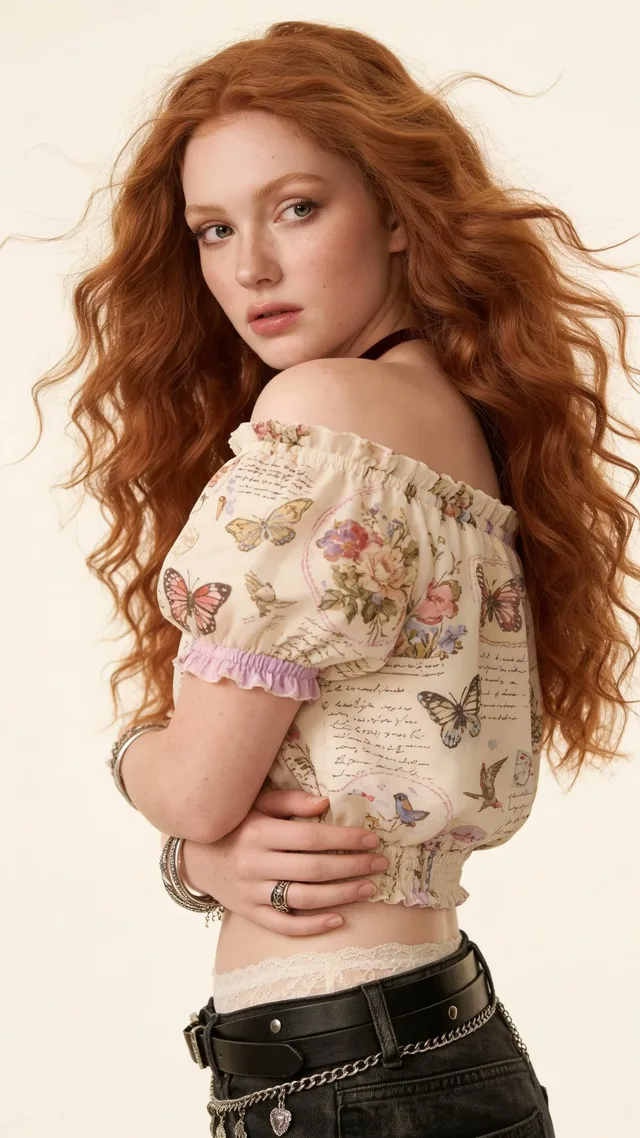
สาวผมแดงในสตูดิโอ: แฟชั่นมินิมัลลิสต์