สร้างแผนผังความรู้ พานทองเหลือง
ที่มา: @xiaoxiaodong01โมเดล: ChatGPT
ภาพตัวอย่าง
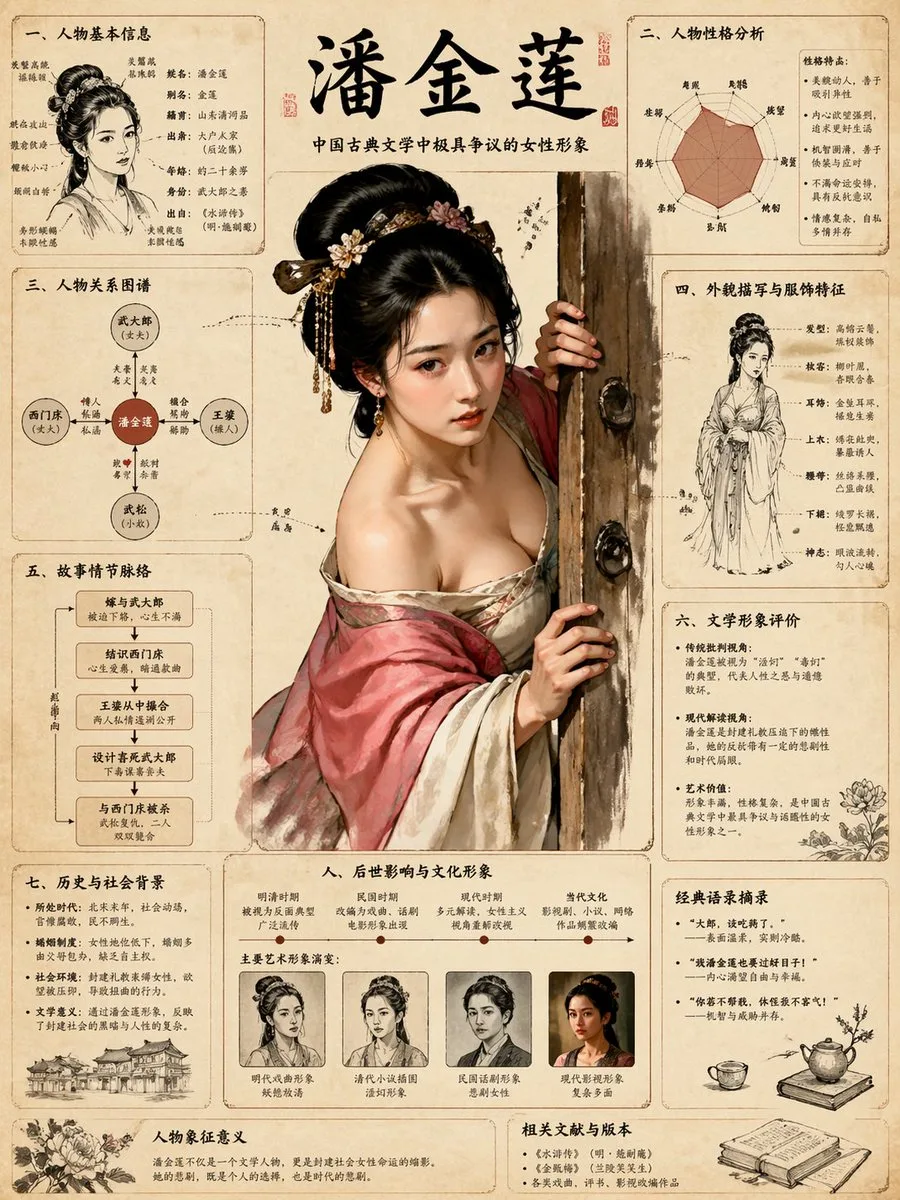
พรอมต์ภาษาไทย
บทบาท: นักวาดภาพประกอบสารานุกรมวิทยาศาสตร์ระดับโลกและสถาปนิกแผนผังความรู้ งาน: สร้างภาพประกอบอินโฟกราฟิกทางวิทยาศาสตร์สำหรับ "สารานุกรมภาพสากล" ที่มีรายละเอียดสูง ซับซ้อนมาก และสวยงามตระการตา ในรูปแบบของสารานุกรมวิทยาศาสตร์คลาสสิกที่ไม่มีแบรนด์ (ไม่มีโลโก้) เรื่อง: เลือกอย่างใดอย่างหนึ่งจาก [คน, พืช หรือ สัตว์] เรื่องเฉพาะเจาะจง: พานทองเหลือง สไตล์: ภาพประกอบทางวิทยาศาสตร์ที่ละเอียดและประณีตบนพื้นหลังกระดาษย้อนยุคสีเบจที่ดูเก่าแก่ ลายเส้นละเอียดอ่อน ซับซ้อนและเป็นมืออาชีพอย่างยิ่ง ข้อกำหนดด้านภาพที่สำคัญ: 1. เอฟเฟกต์ 3 มิติสมจริง (ตัวแบบหลัก): ตัวแบบหลักที่อยู่ตรงกลาง (C position) ต้องได้รับการเรนเดอร์ด้วยความสมจริงและพลวัตที่พิเศษ สร้างความรู้สึกน่าทึ่งของความลึกที่ตัวละคร พืช หรือสัตว์ดูเหมือนจะทะลุกรอบกระดาษ พุ่งออกมา หรือกระโดดออกมาจากกระดาษแบนๆ เข้าหาผู้ชม (เอฟเฟกต์คล้าย 3 มิติแบบ Anamorphic หรือการปรากฏแบบไดนามิก ด้วยความสมจริงที่มีความแม่นยำสูง) 2. เลย์เอาต์และพื้นที่ว่างเชิงกลยุทธ์: * ตัวแบบหลัก: ครอบคลุมพื้นที่ตรงกลาง โดยมี "พื้นที่ว่างเชิงกลยุทธ์" โดยรอบเพื่อเพิ่มเอฟเฟกต์การพุ่งออกมาและทำให้ตัวแบบกลายเป็นจุดสนใจที่ชัดเจน * โมดูลโดยรอบ: พื้นที่โดยรอบ (ซ้าย, ขวา, บน, ล่าง และมุม) จะต้องเต็มไปด้วย 6-8 โมดูลความรู้ที่แตกต่างกัน จัดระเบียบอย่างดีเยี่ยม ขึ้นอยู่กับเรื่องนั้นๆ ควรมีความรู้สึกหนาแน่นอย่างเป็นระเบียบ ไม่ใช่รกแบบสุ่ม ตัวโมดูลเองจะต้องมีขอบที่ชัดเจน ส่วนหัว และเนื้อหาที่มีรายละเอียดและกว้างขวาง 3. การเชื่อมต่อ: ใช้เครือข่ายที่ซับซ้อนและมีเหตุผลของเส้นนำทางละเอียด, ลูกศร, วงเล็บ, เส้นประ และจุดเชื่อมต่อขนาดเล็กเพื่อเชื่อมโยงตัวกลางกับโมดูลโดยรอบทั้งหมด และเชื่อมโยงโมดูลเข้าด้วยกันเพื่อสร้างเครือข่ายความรู้ที่รวมเป็นหนึ่งเดียว 4. ข้อความและคำอธิบายประกอบ (ข้อกำหนดที่เข้มงวด - ต้องเป็นภาษาจีนที่ชัดเจน): * ชื่อหลัก: ชื่อของเรื่องเฉพาะ [เช่น "大王乌贼"] ต้องเป็น **อักษรพู่กันจีน** (书法体) ขนาดใหญ่ โดดเด่น และเขียนได้สวยงาม * สำเนียงพู่กัน: ใช้พู่กันจีนที่สวยงามและชัดเจนสำหรับคำสำคัญต่างๆ ที่กระจายอยู่ทั่วเนื้อหาหลักและชื่อโมดูล * ข้อความภาษาจีนมาตรฐาน: ข้อความอธิบายอื่นๆ ทั้งหมด, บันทึกที่เขียนด้วยลายมือ (大量清晰中文手写注释), เนื้อหาโมดูล และคำอธิบายประกอบ ต้องเป็นอักษรจีนที่ชัดเจนและอ่านได้ (简体中文) ไม่ใช่ภาษาต่างดาวหรือสัญลักษณ์ที่อ่านไม่ออก ตรวจสอบให้แน่ใจว่าความชัดเจนของข้อความเป็นสิ่งสำคัญอันดับแรก * คำอธิบายประกอบเส้นนำทาง: ทุกส่วนประกอบเล็กๆ, รายละเอียด, โมดูลย่อย, แผนภาพ หรือภาพประกอบภายในโมดูลจะต้องมีคำอธิบายประกอบเส้นนำทางที่มีรายละเอียด (拟解剖图) ชี้ตรงไปยังส่วนนั้นๆ เพื่อความเป็นมืออาชีพสูงสุดและคุณค่าทางการศึกษา ทุกส่วนควรมีป้ายกำกับ โครงสร้างโมดูลเฉพาะเรื่อง (ตัวอย่างสำหรับการอ้างอิงทั่วไป): A. สำหรับคน [People]: - โมดูล 1: กายวิภาคศาสตร์และโครงสร้างกระดูก (พร้อมภาพตัดขวางขยาย) - โมดูล 2: กระบวนการทางสรีรวิทยา (เช่น ระบบไหลเวียนโลหิต/ระบบประสาท) - โมดูล 3: บริบททางประวัติศาสตร์และไทม์ไลน์ (ความสำเร็จที่สำคัญ) - โมดูล 4: แผนภาพผลงานหลัก (รายละเอียดโดยละเอียด) - โมดูล 5: กระบวนการทางความคิด / ข้อมูลเชิงลึกทางจิตวิทยา - โมดูล 6: โปรไฟล์ทางพันธุกรรม / วิวัฒนาการ - โมดูล 7: อิทธิพลทั่วโลกและผลกระทบทางวัฒนธรรม - โมดูล 8: การแสดงออกทางวัฒนธรรม / มรดก B. สำหรับสัตว์: - โมดูล 1: ภาพร่างภายนอกและกายวิภาคศาสตร์เต็มรูปแบบ (พร้อมหน้าต่างวงกลมรายละเอียดขยายด้วยกล้องจุลทรรศน์) - โมดูล 2: รูปแบบพฤติกรรมและวงจรชีวิต (เช่น การผสมพันธุ์/การอพยพ, รูปแบบผังงาน) - โมดูล 3: ระบบย่อยอาหารและโครงกระดูก - โมดูล 4: ที่อยู่อาศัยและแผนที่การกระจายพันธุ์ (พร้อมรายละเอียดสิ่งแวดล้อม) - โมดูล 5: การปรับตัวที่เป็นเอกลักษณ์ (เช่น การพรางตัว, เครื่องมือล่าสัตว์) - โมดูล 6: ประวัติวิวัฒนาการและญาติ - โมดูล 7: ความสัมพันธ์แบบพึ่งพาอาศัยกัน / บทบาทในระบบนิเวศ - โมดูล 8: สถานะการอนุรักษ์และการมีปฏิสัมพันธ์กับมนุษย์ C. สำหรับพืช: - โมดูล 1: ภาพร่างพืชและกายวิภาคศาสตร์เต็มรูปแบบ (พร้อมรายละเอียดใบ/รากขยาย) - โมดูล 2: การสังเคราะห์ด้วยแสงและวงจรชีวิต (พร้อมไอคอนสำหรับสิ่งแวดล้อม) - โมดูล 3: โครงสร้างเซลล์ (ภาพวงกลมขยาย) - โมดูล 4: คุณสมบัติทางยา / การประยุกต์ใช้จริง (ตามพรอมต์ดั้งเดิม) - โมดูล 5: การปรับตัวทางสิ่งแวดล้อม / คุณสมบัติที่เป็นเอกลักษณ์ - โมดูล 6: แผนที่การกระจายพันธุ์และบริบททางสิ่งแวดล้อม - โมดูล 7: ความหลากหลายทางพันธุกรรมและการเพาะปลูก - โมดูล 8: การใช้งานทางประวัติศาสตร์และนิทานพื้นบ้าน องค์ประกอบโดยรวม: มีข้อมูลหนาแน่นอย่างยิ่ง จัดระเบียบเป็น 6-8 โมดูลที่มีโครงสร้าง แต่สมดุลกับพื้นที่ว่างเชิงกลยุทธ์รอบศูนย์กลางเพื่อให้ภาพจริงจังและสมจริงที่เป็นแกนกลางโดดเด่นออกมา อย่างมืออาชีพ เข้มข้นทางวิชาการ แต่ดึงดูดสายตาด้วยภาพ 3 มิติที่เป็นแกนกลางที่เคลื่อนไหว ไม่มีการสร้างแบรนด์จากสารานุกรมใดๆ (เช่น ไม่มีโลโก้ "DK") คำอธิบายประกอบทั้งหมดต้องอ่านได้ บันทึกที่เขียนด้วยลายมือทั้งหมดต้องชัดเจน ชื่อหลักเป็นอักษรพู่กันจีน อัตราส่วนภาพ: 3:4.
พรอมต์ภาษาอังกฤษ
Role: World-class Scientific Encyclopedia Illustrator & Knowledge Graph Architect. Task: Generate a highly detailed, extremely intricate, and visually stunning "Universal Illustrated Encyclopedia Science Infographic" in a classic, unbranded (NO logos) scientific encyclopedia style. Subject Matter: Choose one from [People, Plants, or Animals]. Specific Subject: [e.g., The Giant Squid / Leonardo da Vinci / The Sequoia Tree]. Style: Fine, detailed scientific illustration on a retro, aged beige paper background. Delicate linework. Intricately complex and professional. Key Visual Requirements: 1. Lifelike 3D Effect (The Central Subject): The central subject in the "C position" must be rendered with extraordinary realism and dynamism. Create a dramatic sense of depth where the character, plant, or animal appears to break the frame, leaping or bursting out of the flat paper towards the viewer (an effect similar to anamorphic 3D or dynamic pop-out, with high-precision realism). 2. Layout & Strategic White Space: * Central Subject: Dominates the center, with intentional "strategic white space" around it to enhance the popping-out effect and make the figure the clear focal point. * Surrounding Modules: The surrounding area (left, right, top, bottom, and corners) must be filled with 6-8 distinct, highly organized knowledge modules, depending on the subject. There should be a sense of organized density, not random clutter. The modules themselves must have clear borders, headers, and extensive, detailed content. 3. Connections: Use a complex, logical network of fine leader lines, arrows, brackets, dotted lines, and small connection points to link the central figure to all surrounding modules, and interconnect the modules themselves into a cohesive knowledge web. 4. Text & Annotation (Hard Requirement - Must be CLEAR Chinese): * Main Title: A large, prominent, beautifully executed **Chinese calligraphy** (书法体) of the specific subject's name [e.g., "大王乌贼"]. * Calligraphic Accents: Scattered throughout the main content and module titles, use beautiful, clear Chinese calligraphy for important terms. * Standard Chinese Text: All other descriptive text, handwritten notes (大量清晰中文手写注释), module content, and annotations must be clear, legible Chinese characters (简体中文), not gibberish or unreadable symbols. Ensure text clarity is prioritized. * Leader Line Annotations: Every single small component, detail, submodule, diagram, or illustration within the modules must have detailed leader line annotations (拟解剖图) pointing directly to it for maximum professionalism and educational value. Every part should be labeled. Subject-Specific Module Structure (Example for general reference): A. For Humans [People]: - Module 1: Anatomy & Skeletal Structure (w/ magnified cross-sections) - Module 2: Physiological Processes (e.g., Circulatory/Nervous System) - Module 3: Historical Context & Timeline (Key Achievements) - Module 4: Major Contribution Diagram (Detailed breakdown) - Module 5: Cognitive Process / Psychological Insight - Module 6: Genetic Profile / Evolution - Module 7: Global Influence & Cultural Impact - Module 8: Cultural Representations / Legacy B. For Animals: - Module 1: Full External Sketch & Anatomy (w/ microscope magnified detail circular windows) - Module 2: Behavioral Patterns & Lifecycle (e.g., Mating/Migration, Flowchart style) - Module 3: Digestive & Skeletal System - Module 4: Habitats & Distribution Map (with environmental details) - Module 5: Unique Adaptations (e.g., camouflage, hunting tools) - Module 6: Evolutionary History & Relatives - Module 7: Symbiotic Relationships / Ecosystem Role - Module 8: Conservation Status & Human Interaction C. For Plants: - Module 1: Full Plant Sketch & Anatomy (w/ magnified leaf/root details) - Module 2: Photosynthesis & Lifecycle Flow (w/ icons for environment) - Module 3: Cellular Structure (Magnified circular views) - Module 4: Medicinal Properties / Practical Applications (as in original original prompt) - Module 5: Environmental Adaptations / Unique Features - Module 6: Distribution Map & Environmental Context - Module 7: Genetic Variations & Cultivation - Module 8: Historical Usage & Folklore Overall Composition: Extremely dense with information, organized into 6-8 structured modules, but balanced with strategic empty space around the center to allow the main, hyper-realistic figure to pop. Hard-core, professional, academic, but visually engaging due to the dynamic 3D central figure. No branding from any specific encyclopedia (e.g., no "DK" logos). All annotations must be legible. All handwritten notes must be clear. Main titles in Chinese calligraphy. Aspect Ratio: 3:4. 主题内容:潘金莲
พรอมต์แนะนำ
8 พรอมต์คัดสรร
สาวผมแดงในสตูดิโอ: แฟชั่นมินิมัลลิสต์
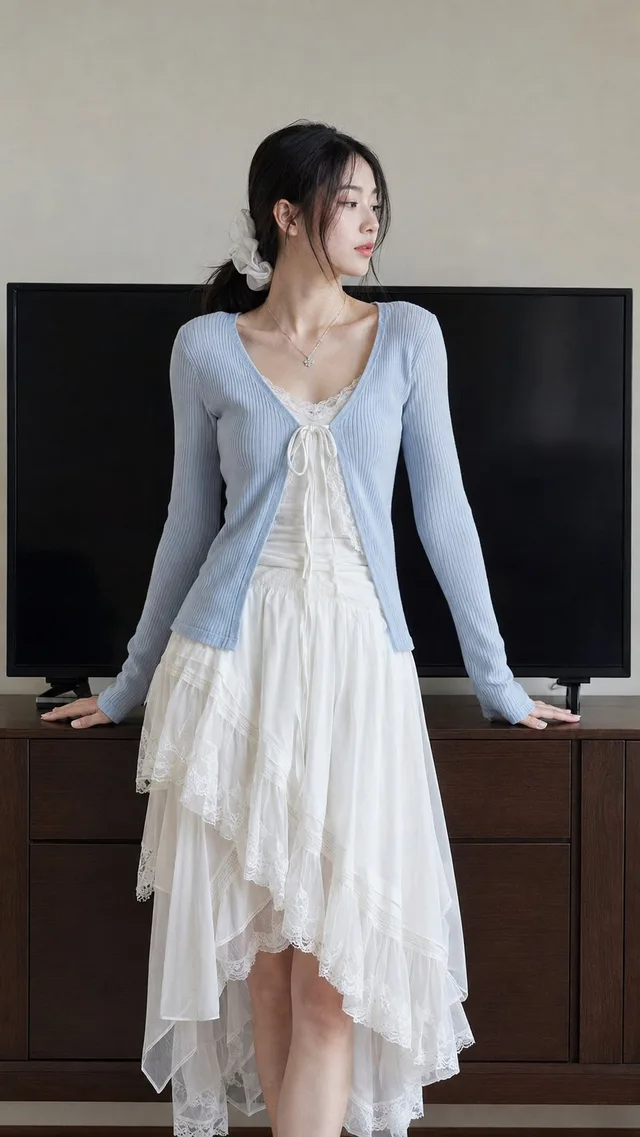
สาวเอเชียในชุดคาร์ดิแกนสีฟ้ามิสต์กับกระโปรงขาว
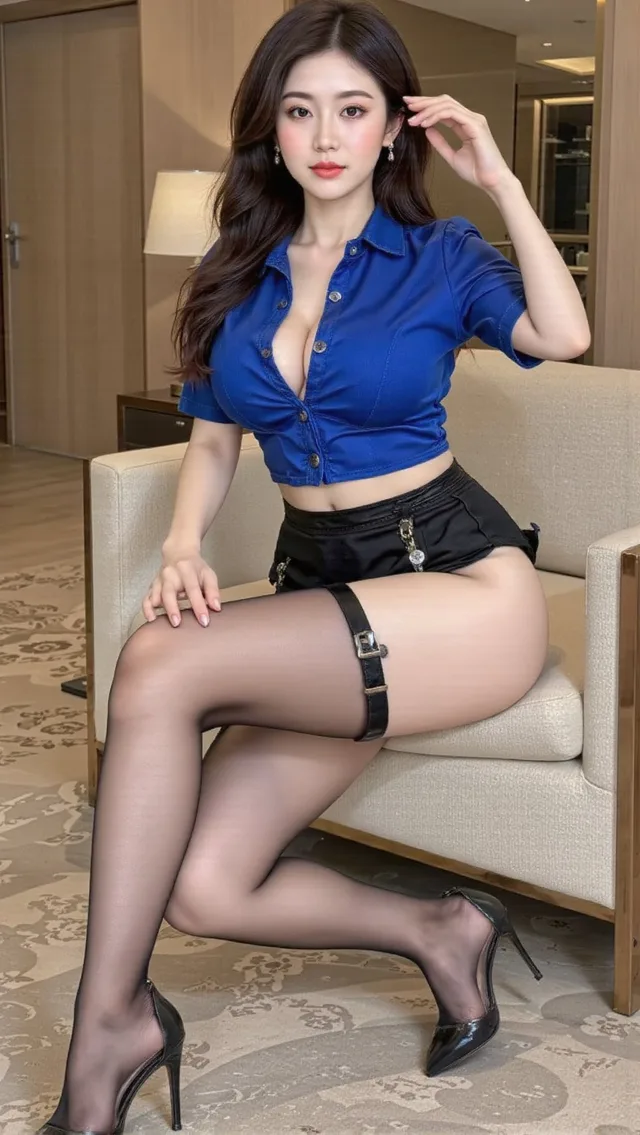
สาวเอเชียในชุดสีน้ำเงิน บนโซฟาหรูในโรงแรม
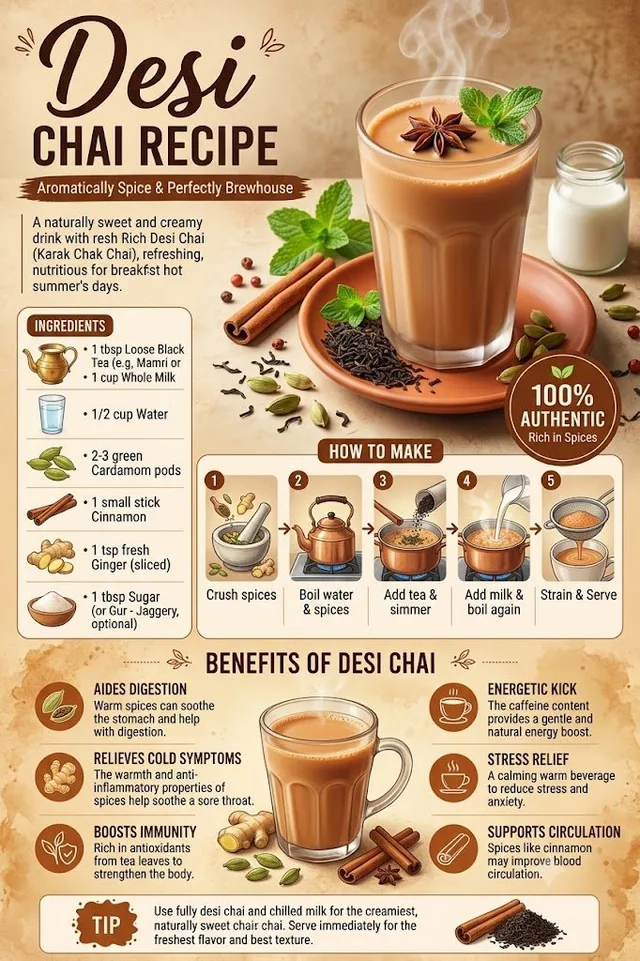
โปสเตอร์อินโฟกราฟิกสูตรอาหารระดับพรีเมียม
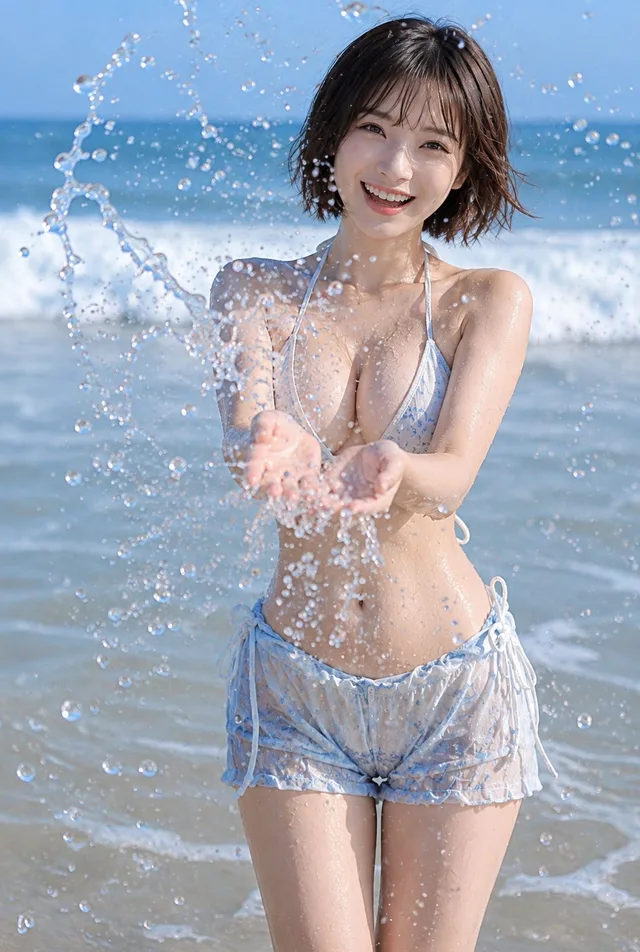
สาวชุดว่ายน้ำขาว-ฟ้า สาดน้ำทะเลริมหาด

ถ่ายภาพคอสเพลย์ฤดูร้อนสไตล์เซลฟี่จากมือถือ

เซลฟี่สาวเอเชียในเสื้อสายเดี่ยวสีดำ

เซลฟี่หน้ากระจกสไตล์สมจริง: หญิงสาวผมยาว