ประวัติศาสตร์ผ้าลินินจีน: สุนทรียภาพ Wabi-Sabi และศิลปะพื้นบ้าน
ที่มา: @xiaoxiaodong01โมเดล: ChatGPT
ภาพตัวอย่าง
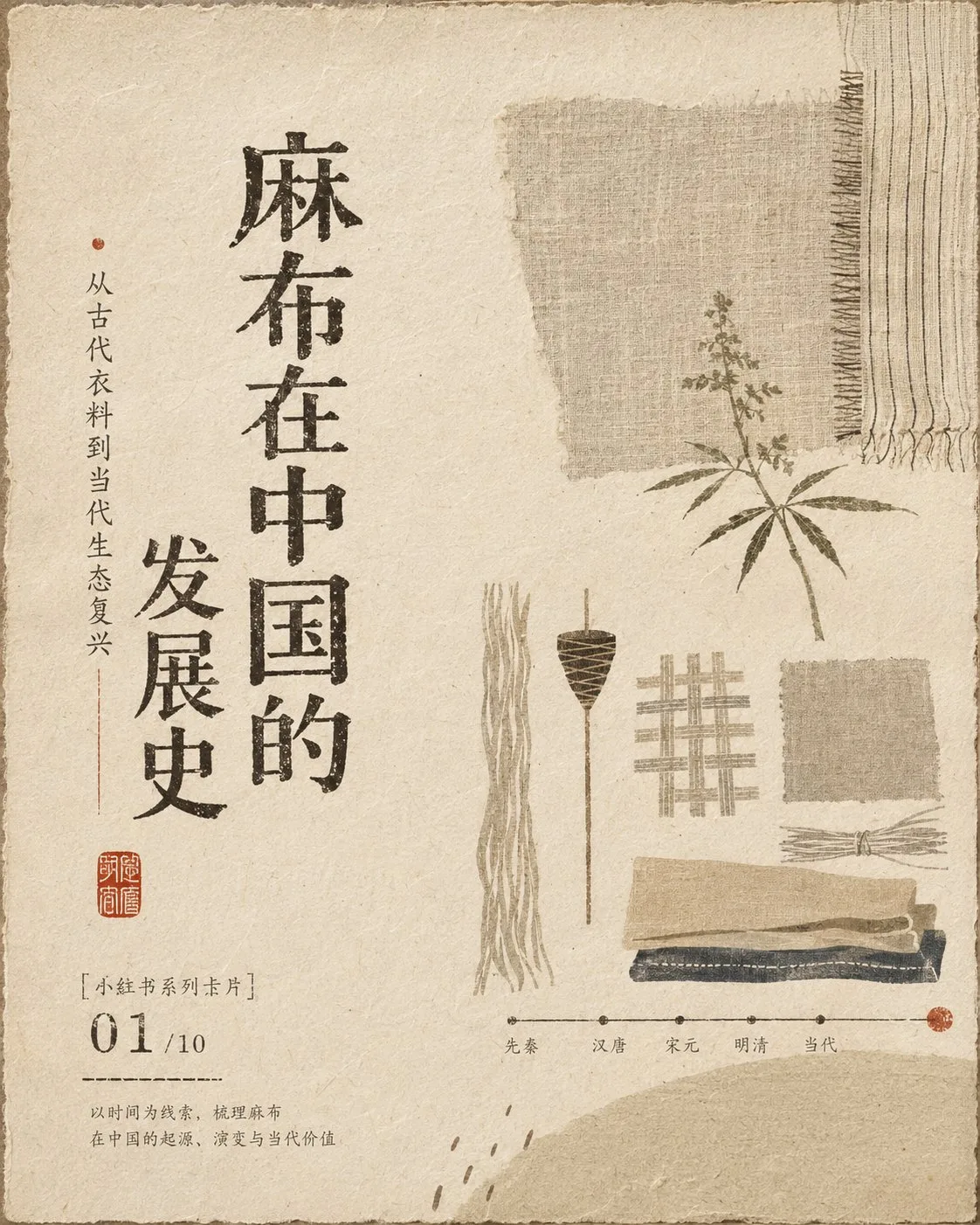
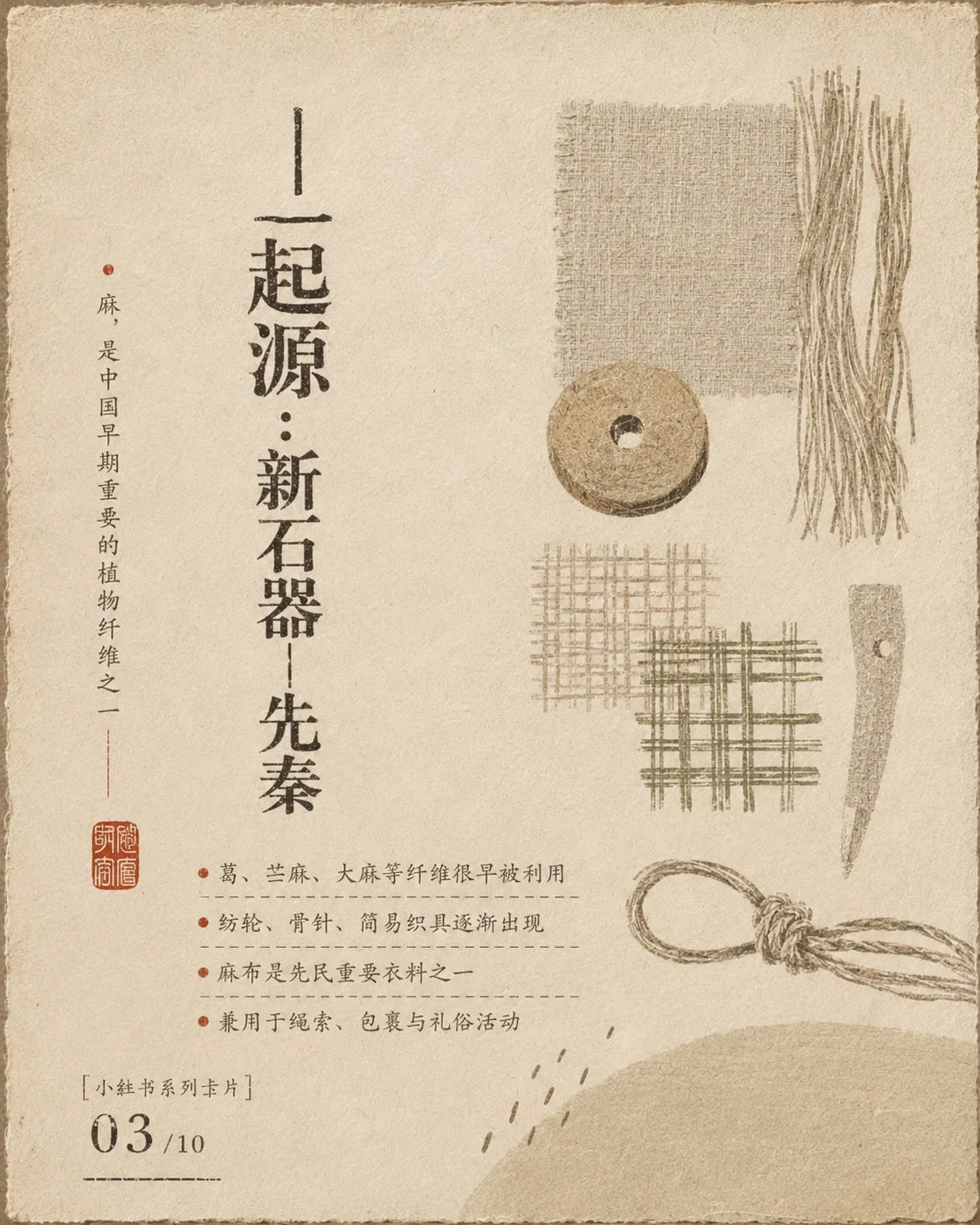
พรอมต์ภาษาไทย
ด้วยสุนทรียภาพแบบ wabi-sabi, สุนทรียศาสตร์แบบ Ma, ทฤษฎีศิลปะพื้นบ้าน, จิตสำนึก mono no aware, พื้นที่ว่างแบบ Eastern Zen, การจัดวางหน้ากระดาษแบบหนังสือโบราณ และระเบียบภาพแบบ modernist เป็นแกนหลัก ผสานรวมกับมุมมองศิลปะพื้นบ้านที่เรียบง่ายของ Yanagi Soetsu, โครงสร้างการย้อมลายฉลุของ Serizawa Keisuke, การเล่าเรื่องที่ไร้เดียงสาของ Taniuchi Rokuro, ความประณีตเชิงเรขาคณิตของ Tanaka Ikko, การเขียนโบราณของ Jin Nong และเสน่ห์การแกะสลักตราประทับของ Wu Changshuo เพื่อช่วยในการออกแบบ; โดยรวมแล้วใช้ผ้าทอมือ, เส้นใยกระดาษเก่า และพื้นผิวสื่อธรรมชาติ เช่น สีย้อมจากพืช, การคงรอยยับ, ขอบดิบ, สีตก, การสึกหรอ, การพิมพ์ซ้อนที่เหลื่อมกันเล็กน้อย และการดูดซับหมึกที่ไม่สม่ำเสมอ แต่ควบคุมความหนาแน่นของสิ่งสกปรกเพื่อให้ภาพดูสงบ, ประณีต และโปร่งสบายยิ่งขึ้น การจับคู่สีเป็นไปตามหลักการต่างๆ เช่น โทนสีความอิ่มตัวต่ำ, การไล่ระดับสีแบบ analogous, การจัดชั้นค่าความสว่าง, ความแตกต่างของสีเย็นและอุ่นที่ซ่อนอยู่, การควบคุมสัดส่วนพื้นที่, สีผสมวัสดุ, การเพิ่มความสว่างด้วยภาพความสว่างสูงจำนวนเล็กน้อย, และการยึดสีเข้มในพื้นที่เล็กๆ โดยมีโทนสีพื้นฐานที่นุ่มนวลครอบคลุมพื้นที่ขนาดใหญ่, สร้างชั้นด้วยบล็อกความสว่างปานกลาง, ทำให้จุดศูนย์ถ่วงมั่นคงด้วยค่าความเข้มลึกจำนวนเล็กน้อย และสร้างจุดโฟกัสที่นุ่มนวลด้วยแสงและความสว่างเฉพาะที่, นำเสนอความสัมพันธ์ของสีของวัตถุเก่าที่อบอุ่นด้วยกาลเวลา การจัดองค์ประกอบใช้ความสมดุลแบบ asymmetrical, พื้นที่ว่างแบบ Eastern, สามเหลี่ยมภาพ, การเคลื่อนที่ในแนวทแยง, จังหวะความหนาแน่น, หลัก Gestalt proximity และ closure, การยึดข้อความด้านเดียว, ความตึงเครียดของขอบ และความแตกต่างของขนาด; สัญลักษณ์หลักจะกระจายตัวในจังหวะที่หลวมแต่เป็นระเบียบ, หลีกเลี่ยงการจัดกึ่งกลางและจัดเรียงแบบเฉลี่ย, ทำให้พื้นที่ว่างกลายเป็นเนื้อหาภาพหลัก, สร้างเส้นทางการอ่านที่เงียบสงบ, ช้า และเบา ระบบตัวอักษรใช้การจัดเรียงแนวตั้งของหนังสือโบราณ, ตัวอักษรพิมพ์ไม้, ลายมือแบบเสมียน, ตราประทับ และการจัดเรียงลำดับชั้นข้อมูลสมัยใหม่ผสมผสานกัน; รูปแบบตัวอักษรจะลดความเป็นกลไก, จุดศูนย์ถ่วงต่ำเล็กน้อย, สัดส่วนแนวนอนและแนวตั้งไม่สม่ำเสมอทั้งหมด, ปลายเส้นอักษรยังคงร่องรอยมีดแกะไม้และลายเส้นพู่กันแห้ง, และส่วนเฉพาะที่ยืดออกเล็กน้อย, แบนราบ, เสียหาย หรือหมึกซึม; ข้อความหลักสร้างแกนจิตวิญญาณด้วยจังหวะแนวตั้ง, ข้อความเสริมใช้เค้าโครงสไตล์เชิงอรรถขนาดเล็ก, ระยะห่างตัวอักษรหลวม, ระยะห่างบรรทัดกระชับ, และกราฟิกสไตล์ตราประทับทำหน้าที่เป็นลายเซ็นภาพ; ผ่านการพิมพ์สกรีน, การพิมพ์ไม้, การย้อมลายฉลุ, พู่กันแห้ง, การถู, การพิมพ์ซ้อน และการเหลื่อมกันเล็กน้อยเพื่อสร้างความรู้สึกของการทำด้วยมืออย่างแท้จริง ภาพประกอบใช้การสรุปภาพแบบเรียบของ Serizawa Keisuke, ความไร้เดียงสาแบบเด็กของ Taniuchi Rokuro, จังหวะผ้าพื้นบ้านของ Samiro Yunoki, การเหนี่ยวนำเชิงเรขาคณิตของ Tanaka Ikko, ขอบหยาบของภาพพิมพ์ไม้ และสัดส่วนที่ไม่แม่นยำแบบเด็ก; เนื้อหาแสดงออกเพียงสัญลักษณ์ชีวิตนามธรรม, บล็อกเรียบง่าย, โครงร่างเงา และลายเส้นวาดด้วยมือจำนวนเล็กน้อย, ไม่ได้พรรณนาถึงประเภทเฉพาะเจาะจง, ไม่ได้มุ่งเน้นมุมมองที่สมจริง, คงความบังเอิญ, ความรู้สึกหยุดนิ่ง และอุณหภูมิของการทำด้วยมือ บรรยากาศโดยรวม: อบอุ่น, เงียบสงบ, ชวนคิดถึงอดีต, เรียบง่าย, นุ่มนวล, สงบเสงี่ยม, ใกล้ชิด, เยียวยา, แฝงนัย, ผ่อนคลาย, บทกวีในชีวิตประจำวัน, ความรู้สึกของกาลเวลาเก่า, อุณหภูมิของการทำด้วยมือ, หวานเล็กน้อย, การเล่าเรื่องเสียงต่ำ, ความรู้สึกพิธีกรรมชีวิตแบบ Eastern, ดูดีมีระดับแต่ไม่หรูหราเกินไป. Subject: The development history of linen in China Usage: Serialized pictures Xiaohongshu cards. Multi-picture logic similar to PPT A total of 10 pictures
พรอมต์ภาษาอังกฤษ
With wabi-sabi aesthetics, Ma aesthetics, folk art theory, mono no aware consciousness, Eastern Zen white space, ancient book layout and modernist visual order as the core, integrated with Yanagi Soetsu's simple folk art view, Serizawa Keisuke's stencil dyeing structure, Taniuchi Rokuro's naive narrative, Tanaka Ikko's geometric refinement, Jin Nong's archaic writing, and Wu Changshuo's seal carving charm to assist the design; the overall adoption of handmade fabrics, old paper fibers and natural media textures like plant dyes, preserving wrinkles, raw edges, color bleeding, wear, slight overprinting misalignment and uneven ink absorption, but controlling the density of dirt to make the picture more restrained, exquisite, and breathable. The color matching follows principles such as low-saturation tone, analogous color progression, value layering, hidden cold and warm contrast, area proportion control, material composite colors, a small amount of high-brightness visual brightening, and small-area anchoring of dark colors, carried by a large area of soft base tones, establishing layers with medium-brightness blocks, stabilizing the center of gravity with a small amount of deep values, and forming a gentle focus with local light and brightness, presenting the color relationship of old objects warmed by time. The composition adopts asymmetrical balance, Eastern white space, visual triangle, diagonal movement, rhythm of density, Gestalt proximity and closure laws, one-sided text anchoring, edge tension, and scale contrast; the main symbols are distributed in a loose but orderly rhythm, avoiding standard centering and average arrangement, allowing the white space to become the main visual content, forming a quiet, slow, and light reading path. The font system adopts vertical arrangement of ancient books, block-printed characters, clerical script handwriting, seal marks and modern information hierarchy mixed arrangement; the glyphs are de-mechanized, the center of gravity is slightly low, the horizontal and vertical proportions are not completely uniform, the stroke ends retain woodcut knife marks and dry brush flying white, and local parts are slightly elongated, flattened, damaged, or ink-bleeding; the main text forms a spiritual axis with a vertical rhythm, the auxiliary text uses a small-size annotation-style layout, the character spacing is loose, the line spacing is restrained, and seal-style graphics serve as visual signatures; through screen printing, woodblock rubbing, stencil dyeing, dry brushing, rubbing, overprinting and slight misregistration to create a sense of true handmade quality. Illustrations use Serizawa Keisuke's flat stencil generalization, Taniuchi Rokuro's childlike naivety, Samiro Yunoki's folk fabric rhythm, Tanaka Ikko's geometric induction, rough edges of woodblock prints and child-like imprecise proportions; the content is only suggested by abstract life symbols, simple blocks, silhouette outlines and a small amount of hand-drawn strokes, not depicting specific categories, not pursuing realistic perspective, preserving contingency, a sense of pause and handmade temperature. Overall atmosphere: warm, quiet, nostalgic, rustic, soft, restrained, intimate, healing, implicit, relaxed, everyday poetry, old time sense, handmade temperature, slightly sweet, low-voice narrative, Eastern life ritual sense, high-end but not over-exquisite. —————— Subject: The development history of linen in China Usage: Serialized pictures Xiaohongshu cards. Multi-picture logic similar to PPT A total of 10 pictures
พรอมต์ภาษาจีน
以**侘寂美学、间之美学、民艺理论、物哀意识、东方禅宗留白、古籍版式与现代主义视觉秩序**为核心,融合**柳宗悦的朴素民艺观、芹泽銈介的型染结构、谷内六郎的稚拙叙事、田中一光的几何提炼、金农的古拙书写、吴昌硕的篆刻气韵**辅助设计;整体采用手工织物、旧纸纤维与植物染般的天然媒介质感,保留褶皱、毛边、渗色、磨损、轻微套印错位与不均匀吸墨,但控制脏污密度,使画面更克制、精致、有呼吸感。 配色遵循**低饱和统调、近似色渐进、明度分层、冷暖隐性对比、面积比例控制、材质综合色、少量高明度视觉提亮、深色小面积锚定**等原理,以大面积柔和底调承载,中等明度块面建立层次,少量深沉色值稳定重心,局部轻亮形成温柔焦点,呈现旧物被时间温润后的色彩关系。 构图采用**非对称平衡、东方留白、视觉三角、斜向动线、疏密节奏、格式塔接近律与闭合律、单侧文字锚定、边缘张力、大小尺度对比**;主体符号以松散却有秩序的节奏分布,避免标准居中与平均排列,让空白成为主要视觉内容,形成安静、缓慢、轻盈的阅读路径。 字体系统采用**古籍竖排、刻本字、隶意手写字、篆刻印记与现代信息层级混排**;字形去机械化处理,重心略低,横竖比例不完全统一,笔画端点保留木刻刀痕与干笔飞白,局部轻微拉长、压扁、缺损、渗墨;主文字以竖向节奏形成精神轴线,辅助文字使用小字号注疏式编排,字距疏朗、行距克制,印章式图形作为视觉落款;通过**丝网印刷、木版拓印、型染镂版、干刷、擦印、叠印与轻微错版**制造真实手作感。 插画使用**芹泽銈介的平面型染概括、谷内六郎的童真稚拙、柚木沙弥郎的民间织物节奏、田中一光的几何归纳、木版画的粗粝边缘与儿童画般的不精确比例**;内容仅以抽象生活符号、朴素块面、剪影轮廓和少量手绘笔触暗示,不描摹具体品类,不追求写实透视,保留偶然性、停顿感与手工温度。 整体氛围:**温润、安静、怀旧、朴拙、柔软、克制、亲密、治愈、含蓄、松弛、日常诗意、旧时光感、手作温度、微甜、低声叙事、东方生活仪式感、高级而不精致过度。** —————— 主题:麻布在中国的发展史 用途:系列化图片 小红书卡片。 类似ppt的多张图片逻辑 一共10张图片
พรอมต์แนะนำ
8 พรอมต์คัดสรร
สาวผมแดงในสตูดิโอ: แฟชั่นมินิมัลลิสต์
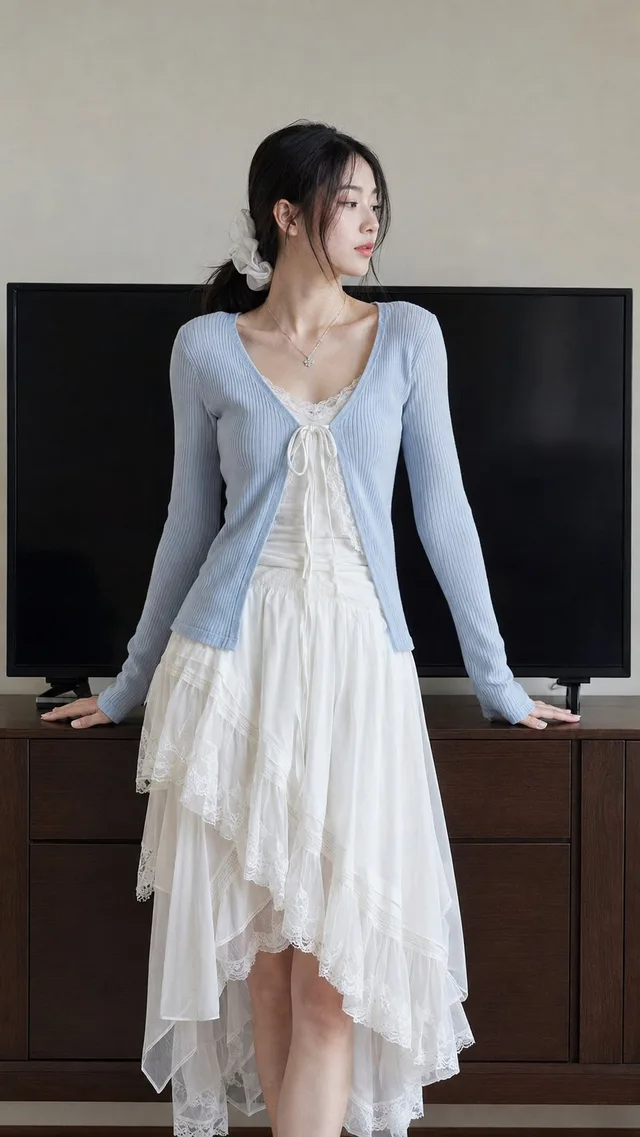
สาวเอเชียในชุดคาร์ดิแกนสีฟ้ามิสต์กับกระโปรงขาว
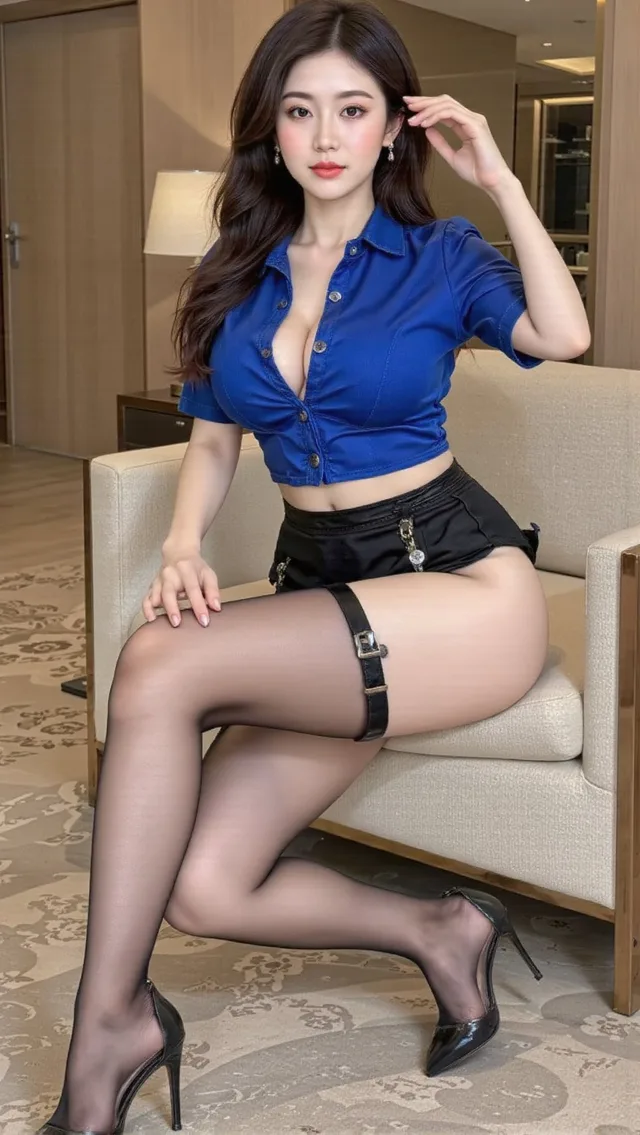
สาวเอเชียในชุดสีน้ำเงิน บนโซฟาหรูในโรงแรม
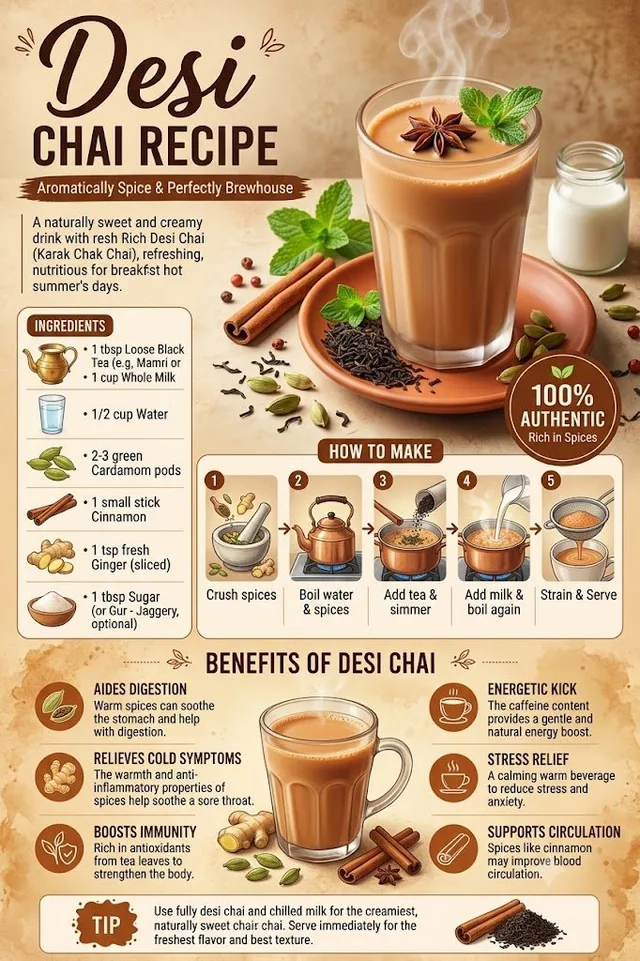
โปสเตอร์อินโฟกราฟิกสูตรอาหารระดับพรีเมียม
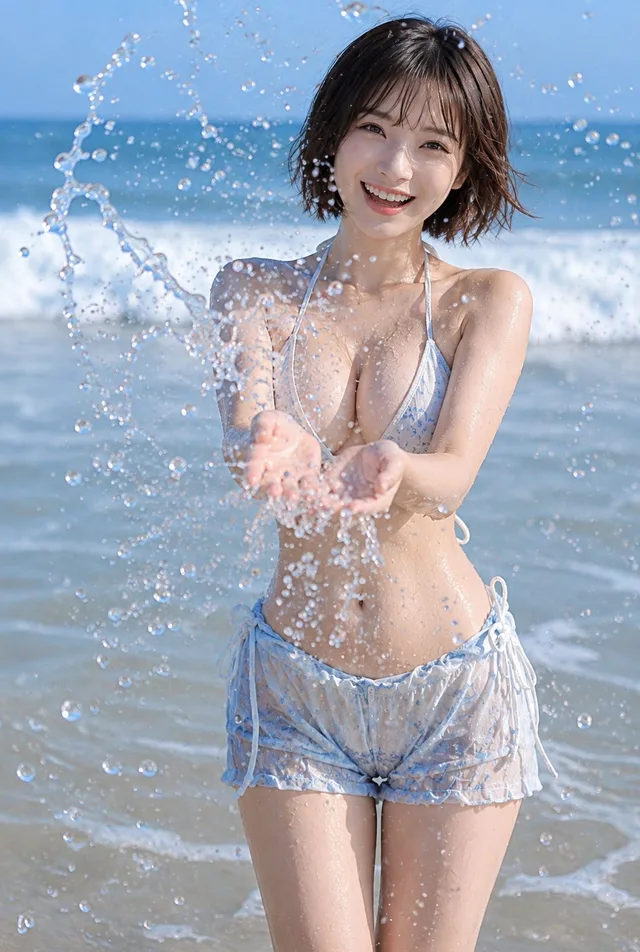
สาวชุดว่ายน้ำขาว-ฟ้า สาดน้ำทะเลริมหาด
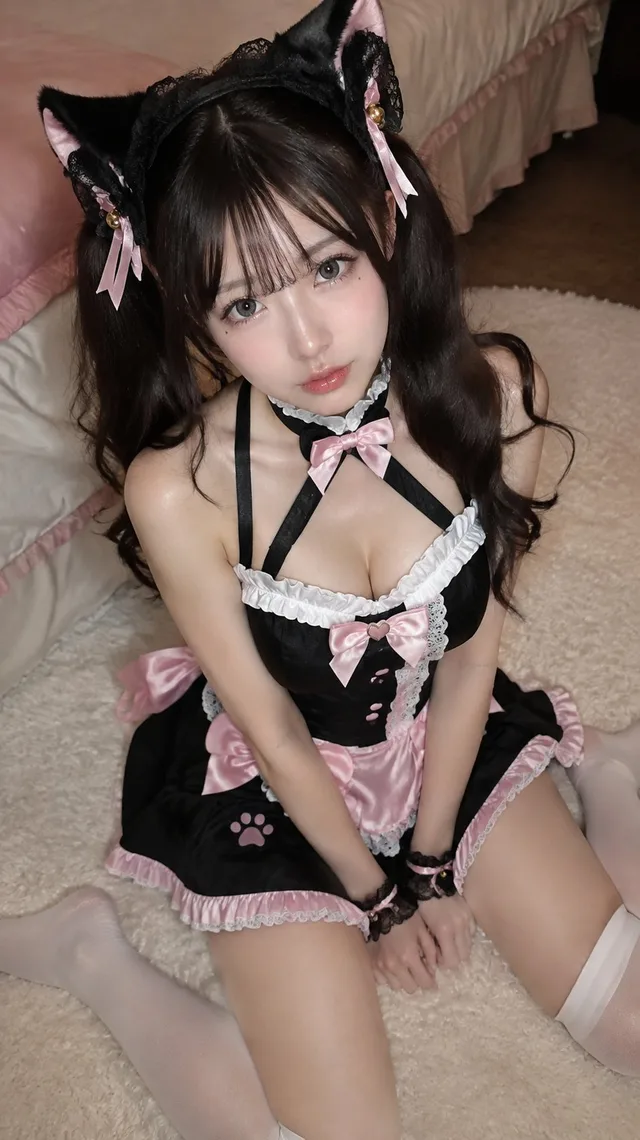
ถ่ายภาพคอสเพลย์ฤดูร้อนสไตล์เซลฟี่จากมือถือ
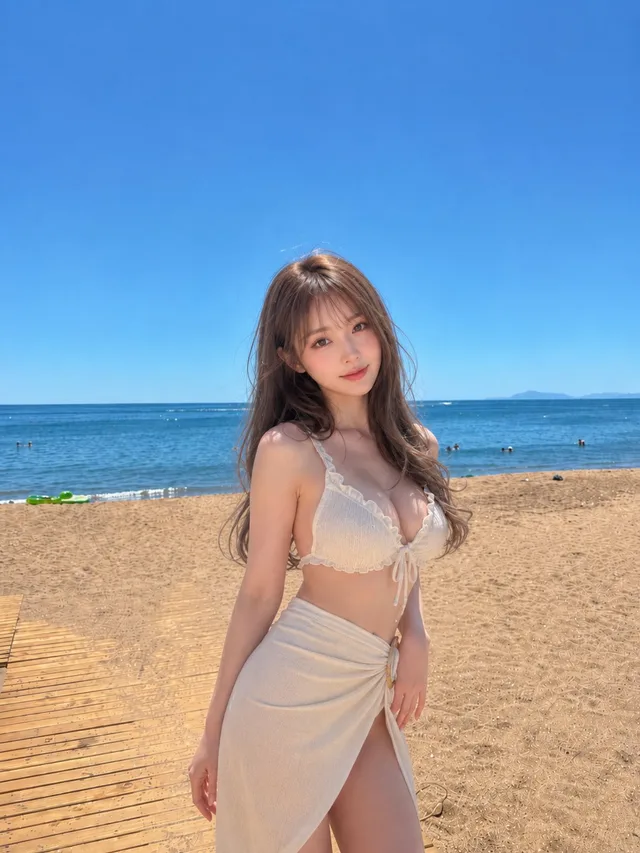
สาวบิกินีริมหาดใต้ท้องฟ้ากว้าง
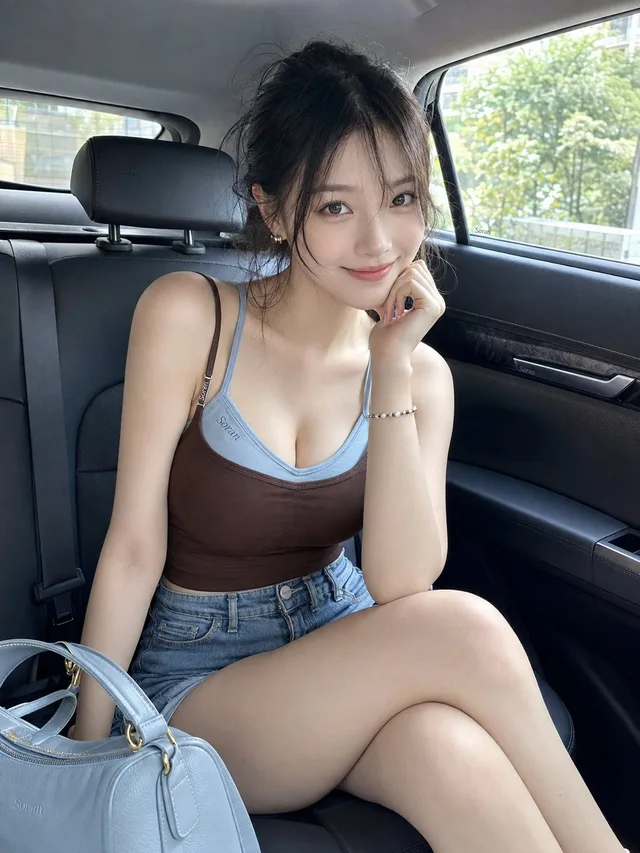
สาวเอเชียกับแฟชั่นหน้าร้อนในเบาะหลังรถสีดำ